Loading... Please wait...

Categories
Categories
)

Product Description
Phaseolus vugaris |
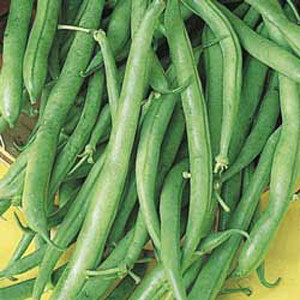
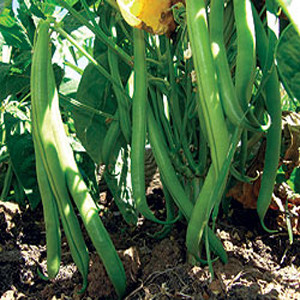
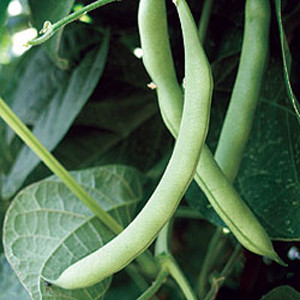
| 1990 All-America Selections Winner! 57 days. Bush type plant produces attractive long slim 6-7" green beans all season long. Best if the beans are picked when 6" long. This variety is good for freezing and canning. Tolerant to BCMV. These pods are straight, smooth, and rounded. They will reach 7 inches or more in length, but are best picked smaller, at 5 to 6 inches. The pod is tender and the white seeds are succulent and sweet, with a good "beany" bite. Easy and trouble-free, even for the new gardener, this snap bean is widely adapted across the U.S., and is compact in the garden. For best harvest, succession-plant every 3 weeks or so from early spring till late summer (avoiding the worst summer heat in warm areas). Hardier than pole beans, bush snaps can be direct-sown after all danger of frost. Beans are nitrogen fixers in the soil, so be sure to chop up and work this plant back into the soil of your garden after harvesting the beans. It will greatly enhance the quality of your vegetable patch for next year's crop. T = Treated Seed. Treated with Thiram A treated seed is no different than giving a child a vaccination shot when they are young. The seed is given a protected cover to insure higher germination rate once it is planted in soil that may contain many bacteria and fungi. If the seed is not treated, the conditions in the soil can lower the germination rate or destroy the young seedling. |
| Vegetable Garden - Tips on Growing Bush Bean Seeds Bush beans include our favorites as they are listed above. Unlike Pole Beans, these are determinate, which means they grow to a certain size, blossom, produce the fruit and then stop growing. Because Bush Beans harvest will only last about 2 weeks, you can enjoy more if you make small individual plantings every 10 days or so. Before setting out the plants, I would mix a 1-inch layer of compost and a light application of an organic or timed-release fertilizer into the soil. When given a little starter fertilizer and biologically active compost, beans usually need no further feeding. Once the bean seedling is in the ground and teams up with bacteria in the soil, beans will start to create their own nitrogen – which is the most important nutrient plants require to make strong new growth. Sowing Seeds
Growing
Rotation and Companion Planting for Bush Bean Seeds
Beans, may it be Bush type, Pole, Wax or any Green Beans are easy to grow in any warm, well-drained soil, but they must have warmth. Wait until after your last frost has passed to set out transplants, 8 to 10 inches apart ought to do it. A double row, in which 2 rows of plants are grown with 12 inches between the rows, will produce the highest yields of beans per square foot. For a steady bountiful harvest all summer, set out a second set of plants 3 to 4 weeks after your first planting. USDA Hardiness Zone -First Frost Date- Last Frost Date
Bean pods that dangle to the ground can rot, but mulch helps prevent this. For your information, you will see the initials below after the name of our Beans. This guide is to inform you of the disease resistance or tolerance to common Bean problems. Bean Disease Tolerance Codes:
Blanching and freezing are the easiest way to store your summer or fall crop of Bush Beans. You can blanch them in boiling water for 1 minute and then quickly cool them in ice water for about 20 minutes. This process will brighten and stabilize their color and flavor while preserving the crisp texture of the pods. If you have just developed a new garden bed from areas that were previously covered with grass, this will often host a hidden danger for Beans, that is the cutworm. These earth-colored caterpillars are very active at night, and will often kill seedlings by cutting and eating their main stems, making them look almost dead. The easiest way to prevent the damage from a cutworm is to prevent the worm from getting to the plant to start with, do so by encircling each plant with a rigid "collar" as soon as it is transplanted. To make your homemade cutworm collars, cut an 8- to 10-ounce plastic cup or a similar size container into 3-inch-tall rings. Pop them around the plants, making sure you push them into the soil about an inch deep. I like this easy way to prevent cutworm damage, and that is to use small strips of aluminum foil to cover the base of each stem. After your Bush Beans or Snap Beans have been growing in your garden for a couple of weeks, their stems become so tough that cutworms can no longer damage them. Slugs and snails like to make holes in bean leaves, and Japanese beetles like to eat the leaves as well. Slugs are easily trapped in shallow containers filled with beer or a mixture of sugar water and yeast, or you can treat the area with a slug bait approved for food gardens in order to bring serious infestations under control. Products that use iron phosphate as their active ingredient are considered organic. Use row covers to protect plants from Japanese beetles. |