Loading... Please wait...

Categories
Categories
)

Product Description
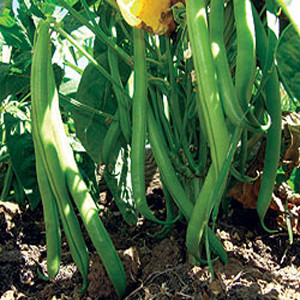
Vigna unguiculataItem #V-5055| 16 Seeds| Non-Treated| |
| 100 Days to Maturity from transplant.
Corn, beans, and squash are called the “three sisters.” Native Americans always inter-planted this trio because they thrive together, much like three inseparable sisters. The vegetable trio sustained the Native Americans both physically and spiritually. In legend, the plants were a gift from the gods, always to be grown together, eaten together, and celebrated together.Each of the sisters contributes something to the planting. Together, the sisters provide a balanced diet from a single planting: 16 seeds= 6 Yellow Corn, 6 Butternut Squash, 4 Pole Beans.
Together, the three sisters provide both sustainable soil fertility as well as a heathly diet. Perfection.
|
| Vegetable Garden - Tips on Growing The Three Sisters
Plant the corn seeds an inch under the soil, firm the soil above by patting it down with the palm of your hand. Water the growing mound well. The corn will sprout and begin to grow in about two weeks.
After the corn has grown to about ten inches high, using a hoe or hand trowel, pull up some soil from the growing mound around the base of the corn stalks. The corn should not be buried entirely, it's upper half should be above the soil that has been mounded around it's stems. The corn will send roots into the mounded soil to hold it steady and upright in the wind. After mounding soil around the base of the corn stalks sow pole bean seeds in a ring pattern six inches outside the corn stalks. Push the bean seeds about an inch under the soil and firm the ground above them by patting it down with your hand. Water the growing mound well. The beans will usually begin to sprout in about 7-14 days. About a week after the beans sprout, sow squash seeds in a ring about 12-15" outside the beans. Push the squash seeds about an inch under the soil and firm the ground above them by patting it down with your hand. The squash seeds will sprout in about a week. As the corn grows the beans will begin to climb, you can help them early on by wrapping the bean vines around the corn stalks. The squash will begin to grow it's vines and the large squash leaves will soon cover the growing mound and shade its soil. On occasion help the squash continue to cover the mound by turning the ends of it's vines towards the center of the mound. Water the mound well during weeks where there has been little or no rain. Harvest as you would if they were sown seperatly. Beans, then corn then squash.
USDA Hardiness Zone -First Frost Date- Last Frost Date
Bean pods that dangle to the ground can rot, but mulch helps prevent this. For your information, you will see the initials below after the name of our Beans. This guide is to inform you of the disease resistance or tolerance to common Bean problems.
Blanching and freezing are the easiest way to store your summer or fall crop of Bush Beans. You can blanch them in boiling water for 1 minute and then quickly cool them in ice water for about 20 minutes. This process will brighten and stabilize their color and flavor while preserving the crisp texture of the pods. If you have just developed a new garden bed from areas that were previously covered with grass, this will often host a hidden danger for Beans, that is the cutworm. These earth-colored caterpillars are very active at night, and will often kill seedlings by cutting and eating their main stems, making them look almost dead. The easiest way to prevent the damage from a cutworm is to prevent the worm from getting to the plant to start with, do so by encircling each plant with a rigid "collar" as soon as it is transplanted. To make your homemade cutworm collars, cut an 8- to 10-ounce plastic cup or a similar size container into 3-inch-tall rings. Pop them around the plants, making sure you push them into the soil about an inch deep. I like this easy way to prevent cutworm damage, and that is to use small strips of aluminum foil to cover the base of each stem. After your Bush Beans or Snap Beans have been growing in your garden for a couple of weeks, their stems become so tough that cutworms can no longer damage them. Slugs and snails like to make holes in bean leaves, and Japanese beetles like to eat the leaves as well. Slugs are easily trapped in shallow containers filled with beer or a mixture of sugar water and yeast, or you can treat the area with a slug bait approved for food gardens in order to bring serious infestations under control. Products that use iron phosphate as their active ingredient are considered organic. Use row covers to protect plants from Japanese beetles. |