Loading... Please wait...

Categories
Categories


Product Description
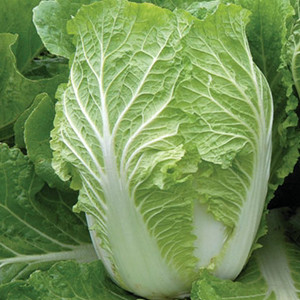
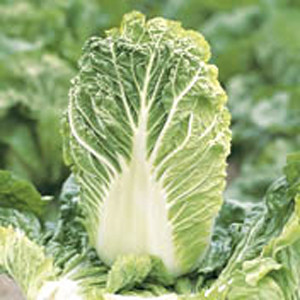
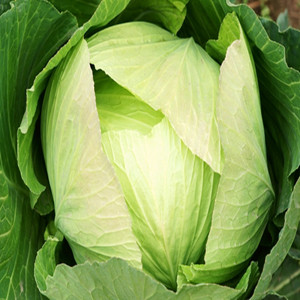
| 55-100 Days to harvest. Michihili is an Open Pollinated Chinese cabbage. Its light green leaves are tender and delicious, ideal for stir fries and pickling, and many other Asian dishes. Michihili Chinese cabbages thrive in milder climates but can be grown in any zone. Warmer areas may experience a slightly earlier harvest date and heads may grow in a looser leaf formation.It has dense, narrow leaves with a deeper green outer colour with lighter green to almost white interior leaves with wide, flat white ribs. It produces a cylindrical, leafy head of 40cm (16in) long and 15cm (6in) across, a little more akin to a large romaine lettuce than to our familiar cabbages. Michihili is a duel purpose variety, the tender leaves are often used raw as a romaine lettuce would be, in salads or coleslaw. It can be steamed whole, finely cut into slices for a salad, or cut coarsely for a stir-fry. Cooked leaves and stalks add flavour to soups, stews, pasta dishes, and stir-fries. Michihili can be harvested at any time from 55 to 100 days. 75 seeds per pkg. |
| Vegetable Garden - Tips on Growing Cabbage Seeds 60-110 Days To Harvest Sowing:
Growing
Rotation considerations for Cabbage Seeds:
USDA Hardiness Zone -First Frost Date- Last Frost Date
Like most vegetables, cabbage needs at least 6 hours of full sun each day; more is better. It also needs fertile, well-drained, moist soil with plenty of rich organic matter. The soil pH should be between 6.5 and 6.8 for optimum growth and to discourage club root disease. To be sure about pH, test the soil with a pH meter. Apply fertilizer and lime using the results of the soil test as a guide.
To Measure Soil pH It is recommended that you use a relatively inexpensive, and follow the manufacturers instructions when testing the pH Level of your Gardens soil. To raise or lower the pH level in the soil either Limestone or Sulfur is utilized. Other materials will accomplish the same results; however the two that are listed are the most commonly used. Limestone is added to the soil to raise the pH level because limestone is essentially calcium and calcium reacts with water in the soil to yield hydroxyl ions .. a process known as, hydrolysis = thus the pH level in the soil is raised. Sulfur reacts with bacteria in the soil and produces sulfuric acid, which releases hydrogen ions thus causing the soil to become more acidic =the pH level is lowered. Application Of Lime (To Raise Soil pH) To increase your pH by 1.0 point and make your soil more alkaline.
Application of Sulfur (To Lower Soil pH If your soil needs to be more acidic, sulfur will lower the pH if it is available. To reduce the soil pH by 1.0 point
Water regularly, applying 1 to 1.5 inches of water per week if it does not rain. You can also measure the amount of water you receive with a rain gauge left in place in the garden, and checked weekly it there is not any chance that it will dry out. If your soil is not naturally rich in nitrogen from an abundant amount of earthworms or by you adding a regular addition of organic, nitrogen-rich compost, then fertilize the plants again with a liquid fertilizer such as fish emulsion or a Herb and Vegetable Food as they begin to develop new leaves and continue liquid feeding until the heads are nearly ready to harvest. |