Loading... Please wait...

Categories
Categories


Product Description
|
Cucumis sativus
Item #V-2257|25 Seeds
|
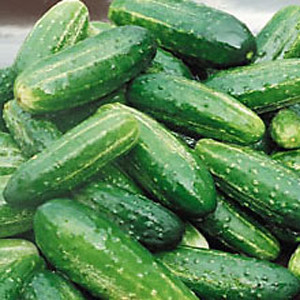
| . 60-65 days to harvest. Fanfare is loaded with advantages that make it a performance standout. As a monoecious hybrid (produces both male and female flowers) yields are greater with better quality fruit over a longer period of time. The slim 8 to 9 inch, uniform fruits are deep green with excellent texture and flavor. Has resistance to Downy and Powdery Mildew, Cucumber Mosaic Virus, Anthracnose, Angular Leaf Spot and Scab. All this on manageable semi-dwarf plants. Adapts well to containers. .Package 25 seeds |
Vegetable Garden – Tips on Growing Cucumbers From Seed
48-80 Days To Harvest from Sowing: Common issues: Inadequate or inconsistent moisture causes oddly shaped or poor-tasting fruit. If plants suddenly wilt and don’t recover, the vine has been infected with bacterial wilt, spread by cucumber beetles. Also keep an eye out for squash bugs, slugs, aphids, and powdery mildew. Squash bugs attack seedlings. Slugs like ripening fruit. Aphids colonize leaves and buds Sowing:
Growing:
Rotation considerations:
DIRECT SOW:
In late Spring, after any danger of frost. Soil temperature should be at 70º F. Cooler temperatures can cause the seeds to rot. Sow 2-3 seeds every 5-6",in a row, cover ½" to 1" deep. Thin to 8" apart. OR SOW INDOORS:
4-5 weeks before weather is warm. Can be trellised. GROWING CONDITIONS:
Plant in rich well composted soil. Before the vine spreads, apply mulch to control weeds. GARDEN HINTS:
A warm weather crop that should not be planted too early in the spring. Sow in multiple plantings to have consistent production all season. If you do not plant in black plastic, then mulch with pine straw, wheat straw, chopped leaves, or your favorite organic mulch shortly after planting. If the weather is unseasonably cool, you can wait a while to mulch until the ground is warmed by the sun. Mulch is especially important to keep the fruit clean for bush types and vines not growing on a trellis. Straw mulch is also thought to be uncomfortable for slugs and creates an uneasy footing for cucumber beetles, by helping to keep them at bay. If you can, trellis your vines. This keeps the fruit clean and saves space. A 12- to 18-inch diameter cage made from 4- or 5-foot welded wire fencing or hog wire will support 2 or 3 vines. Cucumbers grow fast and do not demand a lot of care. Just keep the soil consistently moist with an inch of water per week—more if temperatures sizzle and rain is scarce. Inadequate or inconsistent moisture causes oddly shaped or poor-tasting fruit. If possible, water your cucumbers with a soaker hose or drip irrigation to keep the foliage dry. This helps prevent leaf diseases that can ruin the plant. You can fertilize with a liquid food every 2 weeks, applying it directly to soil around plant stems. Or you can use a granular, slow-release fertilizer worked into the soil when you plant or sprinkled around the plants later. Important Tips for Cucumber Plants
Cold weather, rain, and insecticides that kill bees can hamper pollination. You cannot change the weather, but do avoid spraying or dusting a pesticide toxic to bees; this is always stated on the product label. USDA Hardiness Zone -First Frost Date- Last Frost Date
To be sure about pH, test the soil with a pH meter. Apply fertilizer and lime using the results of the soil test as a guide.
To Measure Soil pH It is recommended that you use a relatively inexpensive, and follow the manufacturers instructions when testing the pH Level of your Gardens soil. To raise or lower the pH level in the soil either Limestone or Sulfur is utilized. Other materials will accomplish the same results; however the two that are listed are the most commonly used. Limestone is added to the soil to raise the pH level because limestone is essentially calcium and calcium reacts with water in the soil to yield hydroxyl ions .. a process known as, hydrolysis = thus the pH level in the soil is raised. Sulfur reacts with bacteria in the soil and produces sulfuric acid, which releases hydrogen ions thus causing the soil to become more acidic =the pH level is lowered. Application Of Lime (To Raise Soil pH) To increase your pH by 1.0 point and make your soil more alkaline.
Application of Sulfur (To Lower Soil pH If your soil needs to be more acidic, sulfur will lower the pH if it is available. To reduce the soil pH by 1.0 point
Water regularly, applying 1 to 1.5 inches of water per week if it does not rain. You can also measure the amount of water you receive with a rain gauge left in place in the garden, and checked weekly it there is not any chance that it will dry out. If your soil is not naturally rich in nitrogen from an abundant amount of earthworms or by you adding a regular addition of organic, nitrogen-rich compost, then fertilize the plants again with a liquid fertilizer such as fish emulsion or a Herb and Vegetable Food as they begin to develop new leaves and continue liquid feeding until the heads are nearly ready to harvest. |
Product Reviews
Find Similar Products by Category
Customers also viewed



Related Products
-
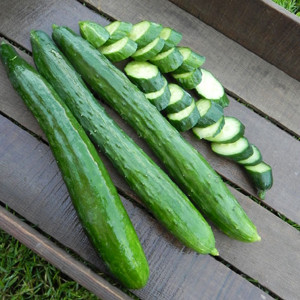
 Diva Cucumber Seeds $3.00
-
-

-
 Cool Cal Cucumber Seeds $3.25
-