Loading... Please wait...

Categories
Categories
)

Product Description
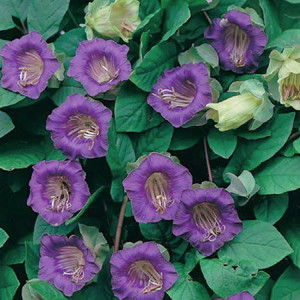
Cerinthe major purpurascens
25 Seeds |
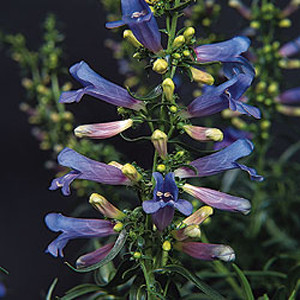
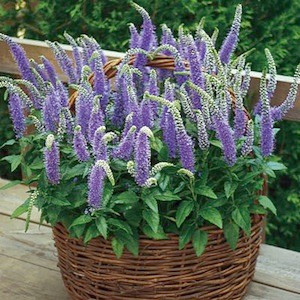
Sometimes referred to as 'Blue Kiwi' and 'Pride of Gibraltar', the Blue Shrimp Plant is one of the most asked for different plants for the garden. Its almost steel blue-green foliage and sensational deep blue bracts and small purple flowers make a wonderful impact in the garden. Early in the season this unusual plant resembles a garden pea but as the stems lengthen, they branch to produce showy blue flower bracts with small purple bells that seem to grow out of the leaves and stems. Very attractive to bees. Heat tolerant throughout the summer and also hardy down to at least 23 degrees F. Cooler nights in fall produce an even deeper blue color. While technically an annual, this self-sowing hardy plant will drop its large pea sized seeds throughout late summer and early autumn and will grow in and around the same patch for quite some years. Growing to approximately 18-24 inches tall, this rare heirloom variety is a subtle but beautiful plant that is quite easy to grow and low maintenance. Biennial to tender perennial with blue-green foliage growing to a height of 16-24". Plant in full or partial shade in a well drained soil and deadhead frequently to encourage repeat flowering. Hardy zone 7-10.
| How to Grow Blue Shrimp Plant from Seeds |
| Soak the large seeds overnight. Sow 3/4" deep outside after the last frost in your area or start indoors 4-6 weeks before the last frost, |
| Will germinate in 7-21 days at 70F/21C. Watch out for damping off if you are starting them inside. Transplant to full sun and good soil for taller plants, partial shade for shorter, less floppy plants. It can be grown in pots. A half-hardy perennial that freely reseeds, in all but the warmest parts of North America it should be considered an annual. As the plant matures, the bracts (a leaf that acts like a flower petal) around the flower will change from green to purple to bright blue. Blue Shrimp Plant does well with heat but needs water. Deadheading will produce more flowers and more branching. It makes a good cut flower. For best results, plant in humus rich, moist but well-drained soil. Fertilizing: Use a complete organic fertilizer when seedlings appear and monthly applications. |