Loading... Please wait...

Categories
Categories
)

Product Description
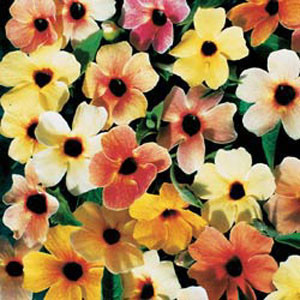
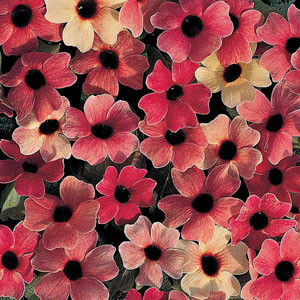
Rudbeckia hirta| 1OZ| From summer into early fall, this wonderous plant bears daisy like blossoms up to 3 inches across with light or deep yellow petals with brownish-purple centers. The stems have long white hairs, with each stem producing a single composite flower. The style-tips of the disk florets are slender and pointed. Each composite flower is about 2-3" across, and has no noticeable scent. The preference is full sun, and slightly moist to moderately dry soil conditions. Any reasonably fertile soil will be satisfactory. This plant is fast to mature and easy to grow, although short-lived. Sometimes an outbreak of powdery mildew on the leaves in a moist enviroment will show up in the fall. In natural habitats, Black-eyed Susan Wildflower Seeds occurs in mesic to dry prairies, mesic to dry upland forests, particularly in open rocky areas, as well as pastures and abandoned fields, areas along railroads and roadsides. Black-Eyed Susan colonizes disturbed areas readily, and recovers moderately well from fires. Black-Eyed Susan is an excellent choice for prairie restorations, or the first-year planting of a wildflower garden, as it may bloom during the first year from seed. They are members of the sunflower family, the “black eye” is named for the dark brown-purple centers of its daisy-like flower heads. The plants can grow to over 3 feet tall, with leaves of 6 inches, stalks over 8 inches long and flower diameter of 2 to 3 inches. Butterflies, bees and a variety of insects are attracted to the flowers for the nectar. As they drink the nectar, they move pollen from one plant to another, causing it to grow fruits and seeds that can move about easily with the wind.Black-eyed Susans are good for cut flowers; they also work well for borders or in containers.
|
| Tips On When And Where To Plant Wildflower Seeds First, find out what your gardening zone is. Take a look at our zoning information. Don't plant wildflowers when frost is still a danger in the early months of the year, or when frost is about to set in near year's end. In most regions, the optimal planting time for wildflowers begins as soon as all danger of frost has past and warmer days are ahead. Do you live in California, Florida or southern Texas? Times of frost are minimal in your area, and you can plant wildflowers in all but the coldest weeks of the year, or the very hottest part of summer. In California, most gardeners plant their wildflower seed in the early winter, so that it is sitting there ready for the first rains to wake it up! In Florida, however, fall is a better time to plant wildflower seeds. Are you in a rainy corner of the country? Plant before your local rainy season begins, ensuring that your wildflowers will have plenty of time to germinate and establish themselves before summer heat hits in. In many parts of the country, both annual and perennial wildflower seeds will become permanent parts of the garden, growing either via reseeding or by living on from year to year on their own roots. If you aren't sure about your zone or optimal wildflower planting time, you can contact your local Ag Department. How To Plant Your Wildflower Seeds Don't rake or cover your wildflower seeds with dirt. Instead, after you've finished scattering the wildflower seed, simply walk over the area in your shoes - or barefoot if you're a nature-loving guy or gal! This will gently compress the seeds into the soil without burying them. If you're expecting rain within a week or so of sowing your wildflower seed, there is no need to water. But, if you live in a dry area or can't count on rain, mist the wildflower seed growing area with a hose or gentle sprinkler. Keep the seed bed moist until the little plants are established or rain is falling on its own without help from your garden hose! Germination times are unique to each variety with some appearing in as little as a week and others taking many weeks to germinate. Be patient - each variety will start growing at the time that is right for it. Each fall, you will need to do an annual mowing of your wildflower garden. Set your mower to high and go over the entire area. And that's all you need to do. Unlike other types of gardening where you are buying starts or established plants and putting them in specific places, wildflower gardening comes with a built-in element of adventure. You will sow your seeds just where you want them this year, but Mother Nature may give you some surprises next year when she resows the seeds and comes up with a whole new work of living art for your enjoyment! |