Loading... Please wait...

Categories
Categories
)

Product Description
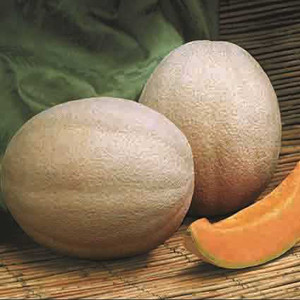
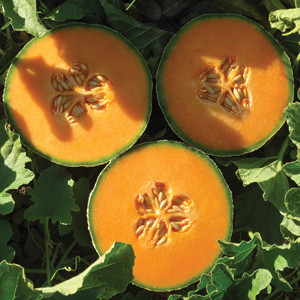
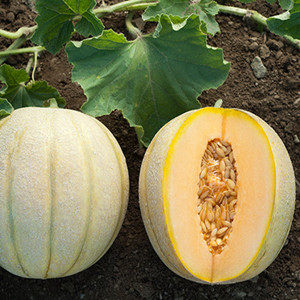
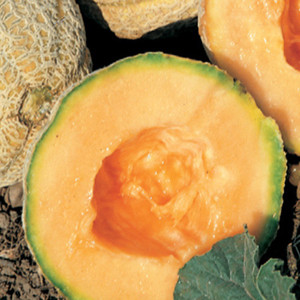
| The Athena melon is a medium sized cantaloupe type melon averaging 5-6 pounds. This proven cantaloupe is a best seller and a favorite among gardeners and growers across the US.The exterior has a tough rind with a coarse netting covering a tan to faint orange skin. The inside of the Athena has a classic cantaloupe appearance, a thin ring of bright green at the rind turning to a dense orange flesh which surrounds a small central seed cavity. The Athena melon is known for its ability to maintain a firm texture and juicy consistency even when till on the vine and at its peak of ripeness. Its flavor as well is consistently of exceptional sweetness and offers aromatics of flowers and honey. When ripe and at room temperature the Athena melon will have a sweet melon aroma, particularly at its stem end. Pick at full slip for best quality and flavor. Athena consistently delivers early yields with dynamite flavor. The 6 by 8 inch fruit weigh 5-6 pounds, are coarsely netted, and have a scrumptious, bright orange flesh. Ripe melons seldom crack and have a tough rind, making them ideal for shipping. Good shelf life even when harvested ripe. Widely adapted. Fruits avg. 5-6 lb. Intermediate resistance to fusarium wilt races 0-2 and powdery mildew.
20 Seeds per package. |
| Vegetable Garden - Tips on Growing Melons From Seed 75 Days to Maturity. Maturity dates are from transplant and are to be used as a comparison guide only. SOWING THE SEED The question has always been- should I sow indoors or outdoors? In warm climates you can direct sow melons, however starting the melons indoors is preferred, both because the melon plants can grow well in soil that is 10-20 degrees cooler than that is needed for best germination of seed, and because the seeds germinate more slowly in cooler soil. Where ever you are, transplanting will probably give you the best yields in the finished crop. Remember that you will need to be very careful as to avoid transplant shock, Do not disturb the roots the best you can, also because melons need everyday of sun that they can get to ripen the fruit so they can not afford any setbacks.
GARDEN HINTS: A warm weather crop that should not be planted too early in the spring.Use black plastic mulch or drape with floating row cover to give melons the heat they need in marginal growing areas.. Growing
Rotation considerations:
USDA Hardiness Zone -First Frost Date- Last Frost Date
An old garden myth would suggest pinching off a vine’s growing shoots as melons start to ripen to cause the plant to divert all its energy to the ripening fruit. Research has proven this FALSE. The vine needs all its leaves to produce the sugars that sweeten fruit. Anything that reduces the total number of leaves available for sugar production reduces melon sweetness. The more fruits that ripen at the same time, the less sweet they will be, this is TRUE, since the vine will have to divide the leaves’ sugar production between fruits. In warmer climes with a long growing season, experienced growers often prune off all but one newly forming melon every 2 weeks. Ripening 1 melon at a time yields maximum sweetness. As you gain experience, you will develop your own technique. In colder regions, remove any blossoms that start to develop within 50 days of your area’s first average frost date. This ensures remaining, larger fruits will ripen before frost. The key to a sweet melon is lots of sugar, which is made by the leaves. So anything that hurts the leaves also hurts the quality of the fruit. GROWING CONDITIONS:
HARVESTING TIPS It is normally pretty easy to tell when most vegetables are ripe, however melons require a little more practice to get it right. A good tip to know is that all the fruits on any individual melon plant will ripen over a short period of time. When one melon is ripe, the remaining melons are not far behind.
|