

|

|

|

|

|

|

|

|
 Read Our Blog
 Find Us On Facebook
 Follow 2BSeeds On Twitter
Gourmet Sauces, Gluten and MSG-Free - Recipes - Gourmet made easy
Free Tomato Seeds for the Unemployed
Open Pollinated Vegetable Seeds
Vegetable Seeds
· Artichoke Seeds
· Asparagus Seeds
· Brussells Sprouts Seeds
· Bush Bean Seeds
· Bush Wax Bean Seeds
· Beet Seeds
· Broccoli Seeds
· Cabbage Seeds
· Carrot Seeds
· Cauliflower Seeds
· Celery Seeds
· Chard Seeds
· Cherry Tomato Seeds
· Chili Pepper Seeds
· Chinese Cabbage Seeds
· Collard Green Seeds
· Corn Seeds
· Cucumber Seeds
· Edamame Seeds
· Eggplant Seeds
· Endive Seeds
· Gourd Seeds
· Kale Seeds
· Kohlrabi Seeds
· Leeks Seeds
· Lettuce Seeds
· Luffa Seeds
· Melon Seeds
· Mizuna Seeds
· Mustard Green Seeds
· Okra Seeds
· Onion Seeds
· Pak Choy Seeds
· Pea Seeds
· Pepper Seeds
· Perilla Seeds
· Pole Bean Seeds
· Pumpkin Seeds
· Radish Seeds
· Rhubarb Seeds
· Spinach Seeds
· Strawberry Seeds
· Summer Squash Seeds
· Tomatillo Seeds
· Tomato Seeds
· Turnip Seeds
· Watercress Seeds
· Watermelon Seeds
· Winter Squash Seeds
Organic Vegetable Seeds
Container Patio Vegetable Seeds
Annual Flower Seeds
Perennial Flower Seeds
Herb Seeds
Flowers for Bees
Wildflower Seed Mixes
Fuseables Flower Seed Mixes
Seed Collections
Bee's Select Seeds
· Select Flower Seeds
· Select Herb Seeds
· Select Vegetable Seeds
Hummingbird and Butterfly Gardens
Customer Care
· 2B Seeds Home
· About Us
· Contact Us
· Become a Member
· Customer Testimonials
· Our Newsletter
· How to Order
· Check the Status of Your Order
· Zone Map
· Vegetable Seed Sowing Chart
· Starting Fall Crops
· Flower Seeds
· Shipping Info
· Security Policy
· Our Guarantee
· Download Order Form
· Seed Resources & Gardening Information
· 2B Seeds Press
· Sitemap
| Join Our Mailing List |


| You are here: 2B Seeds Home > Vegetable Seeds P-W > Pumpkin Seeds > Gladiator Pumpkin Seeds |
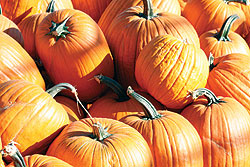
Gladiator Pumpkin Seeds115 days to harvest. Gladiator Pumpkin Seeds produce good yields of 20-25 lb fruit that are uniform for size and shape. Vigorous, semi vine plants with fruit that has a deep orange color, moderate ribbing and measure 13" x 12" high. Improved disease tolerance and grower preferred. Package (25 seeds).T = Treated Seed |
|
|
|
Vegetable Garden - Tips on Growing Pumpkins From Seeds
DIRECT SOW
- In late Spring, after any danger of frost, sow indoors 3-4 weeks before the last frost
- If you want to Direct Sow the soil temperature should be at 70� F. Cooler temperatures can cause the seeds to rot.
- Sow 2-3 seeds every 18",in a row, cover �" to 1" deep.
- Plant in hills that are spaced 4 ' apart with 4-5 seeds planted 1" deep.
GROWING CONDITIONS:
- Plant in rich well composted soil. Before the vine spreads apply mulch to control weeds.
- Pumpkins appreciate well supplied soil, with organic matter.
- Mulch to help control weeds. Harvest before frost or after one or two light frosts.
- In the garden, pumpkins will crave lots of moisture, compost-enriched soil, and plenty of sun and heat. Meet those requirements, and these sprawling vines will bear a large crop of orange-skinned pumpkins that you can carve, cook, or store.
- Like it's cousins the cucumber, summer squash and melon the pumpkin demands warm, fertile soil for growth.
- Soil pH should be 6.0 to 6.8. Plan to give each vine at least a 3-foot-square area of warm, enriched soil.
- Enrich soil by digging a hole about the size of a bushel basket and working compost, seaweed, or well-rotted manure into the soil you removed from the hole. Test your soil every year or two to determine how to amend it for ideal pumpkin growth. Avoid adding nitrogen �just in case,� because too much nitrogen causes vines to produce leaves at the expense of flowers.
- Warm the soil a week before transplanting by covering it with a piece of black plastic.
- To plant pumpkin seedlings, cut a hole in the plastic.
- Pumpkin vines grow aggressively, covering lots of ground area.
- To keep your garden from being engulfed by vines, site plants near the edge of the garden. As vines grow, direct them toward the outside of the garden. It�s possible to trellis vines if you provide heavy-duty slings to support ripening pumpkins. Space transplants 5 feet apart in a row planting, or place them 1 plant per 3-foot-square hill.
- Plants need ample water when flowers and fruits are forming. It is best to use a drip system or soaker hose to directly water soil at the base of vines so as to avoid wetting foliage. Try to water in the early morning, so that any water that splashes onto leaves can soon dry. Wet foliage is more susceptible to fungus, such as powdery mildew, which can slowly kill all the leaves on a vine. Most vines wilt under the bright, hot afternoon sun, but if you see foliage wilting before 11:00 a.m., that�s a sign that they need water.
- Some gardeners promote branching to get more pumpkins by pinching the tips out of main vines when they reach about 2 feet long. You can also increase the yield on a vine by removing all female flowers (these have a small swelling at the base of the bloom) for the first 3 weeks. These practices may produce a sturdier vine that can set more, albeit smaller, pumpkins during the growing season if you have good soil, sun, and moisture. If your goal is fewer, larger pumpkins per vine, once you have 3 to 4 fruits on a vine, pinch off all remaining flowers as they form.
- The first few flowers on pumpkin vines will be male blooms. Their pollen attracts bees so that when the female blossoms begin to open, the bees will have the pumpkin vines on their daily flight runs. Male flowers last one day, then drop from vines. If vines are stressed, male flowers may predominate.
USDA Hardiness Zone -First Frost Date- Last Frost Date
- Zone 1 -July 15th -June 15th
- Zone 2 -August 15th- May 15th
- Zone 3 -September 15th May 15th
- Zone 4 -September 15th May 15th
- Zone 5 -October 15th April 15th
- Zone 6 -October 15th April 15th
- Zone 7 -October 15th April 15th
- Zone 8 -November 15th March 15th
- Zone 9 -December 15th February 15th
- Zone 10 -December 15th January 31st (sometimes earlier)
- Zone 11 -No frost. No frost.
Powdery mildew, a fungus that produces white spots on leaves, can weaken plants.
As pumpkins form, you can slip a piece of cardboard or folded newspaper beneath pumpkins to prevent contact with soil and possible rot, especially if you are growing a precious few. Toward the end of the season, remove any leaves that shade ripening pumpkins.
Harvest pumpkins before frost. Fruit is ripe when it is fully colored, skin is hard, and the stem begins to shrivel and dry. Pumpkin vines are often prickly, so wear gloves and long sleeves when harvesting to keep from itching. To harvest, cut stems with a sharp knife, leaving at least an inch of stem on fruits (more stem is better). Lift pumpkins by slipping your hand under the bottom of the fruit. Never lift a pumpkin by its stem; if the stem breaks, the pumpkin won�t store well.
Before storing, cure pumpkins by setting them in the sun for 10 to 14 days to harden the skin, seal the stem, and improve taste. Dry, warm weather is best; protect curing pumpkins from frosty nights with old blankets or by moving them into a shed or garage. Store cured pumpkins in a cool place, arranging them so they don�t touch. The ideal storage space has a temperature of 50 degrees with about 60 percent humidity, but since a root cellar is hardly standard in most homes, do the best you can in a basement, vermin-free crawl space, or other frost-free storage.