

|

|

|

|

|

|

|

|
 Read Our Blog
 Find Us On Facebook
 Follow 2BSeeds On Twitter
Gourmet Sauces, Gluten and MSG-Free - Recipes - Gourmet made easy
Free Tomato Seeds for the Unemployed
Open Pollinated Vegetable Seeds
Vegetable Seeds
· Artichoke Seeds
· Asparagus Seeds
· Brussells Sprouts Seeds
· Bush Bean Seeds
· Bush Wax Bean Seeds
· Beet Seeds
· Broccoli Seeds
· Cabbage Seeds
· Carrot Seeds
· Cauliflower Seeds
· Celery Seeds
· Chard Seeds
· Cherry Tomato Seeds
· Chili Pepper Seeds
· Chinese Cabbage Seeds
· Collard Green Seeds
· Corn Seeds
· Cucumber Seeds
· Edamame Seeds
· Eggplant Seeds
· Endive Seeds
· Gourd Seeds
· Kale Seeds
· Kohlrabi Seeds
· Leeks Seeds
· Lettuce Seeds
· Luffa Seeds
· Melon Seeds
· Mizuna Seeds
· Mustard Green Seeds
· Okra Seeds
· Onion Seeds
· Pak Choy Seeds
· Pea Seeds
· Pepper Seeds
· Perilla Seeds
· Pole Bean Seeds
· Pumpkin Seeds
· Radish Seeds
· Rhubarb Seeds
· Spinach Seeds
· Strawberry Seeds
· Summer Squash Seeds
· Tomatillo Seeds
· Tomato Seeds
· Turnip Seeds
· Watercress Seeds
· Watermelon Seeds
· Winter Squash Seeds
Organic Vegetable Seeds
Container Patio Vegetable Seeds
Annual Flower Seeds
Perennial Flower Seeds
Herb Seeds
Flowers for Bees
Wildflower Seed Mixes
Fuseables Flower Seed Mixes
Seed Collections
Bee's Select Seeds
· Select Flower Seeds
· Select Herb Seeds
· Select Vegetable Seeds
Hummingbird and Butterfly Gardens
Customer Care
· 2B Seeds Home
· About Us
· Contact Us
· Become a Member
· Customer Testimonials
· Our Newsletter
· How to Order
· Check the Status of Your Order
· Zone Map
· Vegetable Seed Sowing Chart
· Starting Fall Crops
· Flower Seeds
· Shipping Info
· Security Policy
· Our Guarantee
· Download Order Form
· Seed Resources & Gardening Information
· 2B Seeds Press
· Sitemap
| Join Our Mailing List |


| You are here: 2B Seeds Home > Vegetable Seeds A-B > Bush Bean Seeds > Lima Fordhook #242 Bush Bean Seeds |
Lima Fordhook #242 Bush Bean SeedsThis is a bush type plant. 75 Days and an All American Winner. The famous Fordhook quality now with an improved strain which reliably sets blossoms and pods under adverse weather conditions. Will produce reliable yields of high quality, large seeded-limas with delicious flavor. 3-4 seeds per 4" pod. Vigorous plants. (Package 100 Seeds) A treated seed is no different than giving a child a vaccination shot when they are young. The seed is given a protected cover to insure higher germination rate once it is planted in soil that may contain many bacteria and fungi. If the seed is not treated, the conditions in the soil can lower the germination rate or destroy the young seedling. | 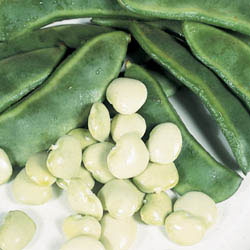 |
| |
Vegetable Garden - Tips on Growing Bush Bean From Seed
Bush beans include our favorites as they are listed above. Unlike Pole Beans, these are determinate, which means they grow to a certain size, blossom, produce the fruit and then stop growing. Because Bush Beans harvest will only last about 2 weeks, you can enjoy more if you make small individual plantings every 10 days or so.Before setting out the plants, I would mix a 1-inch layer of compost and a light application of an organic or timed-release fertilizer into the soil. When given a little starter fertilizer and biologically active compost, beans usually need no further feeding. Once the bean seedling is in the ground and teams up with bacteria in the soil, beans will start to create their own nitrogen � which is the most important nutrient plants require to make strong new growth.
Sowing Bush Bean Seeds
- Seed Depth: 1" (2.5 cm), 6-8 seeds per hill
- Germination soil temperature: 75-85�F (24-29�C)
- Days for Germination: 7-10
- Sow indoors: Not recommended
- Sow outdoors: When soil temperature reaches 60�F (16�C)
Growing
- Watering: Low at planting, medium at flowering and then heavy through harvest.
- Light: Full Sun
- Nutrient requirements: N=low, P=moderate, K=moderate.
Rotation and Companion Planting for Bush Bean Seeds
- Rotation considerations: Because they get along with just about all vegetables except members of the onion family, bush beans can go almost anywhere and be followed by just about anything.
- Good companions: Beet, cabbage, carrot, cauliflower, celery, corn, cucumber, eggplant, leek, marigold, pea, radish, rosemary and sunflower.
- Bad companions: Basil, fennel, kohlrabi, onion family.
USDA Hardiness Zone -First Frost Date- Last Frost Date
- Zone 1 -July 15th -June 15th
- Zone 2 -August 15th- May 15th
- Zone 3 -September 15th May 15th
- Zone 4 -September 15th May 15th
- Zone 5 -October 15th April 15th
- Zone 6 -October 15th April 15th
- Zone 7 -October 15th April 15th
- Zone 8 -November 15th March 15th
- Zone 9 -December 15th February 15th
- Zone 10 -December 15th January 31st (sometimes earlier)
- Zone 11 -No frost. No frost.
For your information, you will see the initials below after the name of our Beans. This guide is to inform you of the disease resistance or tolerance to common Bean problems.
Bean Disease Tolerance Codes:
- BCMV- Bean Common Mosaic Virus
- HB- Halo Blight
- A- Anthracnose
- ALS- Angular Leaf Spot
- BBS- Bacterial Brown Spot
- R- Rust
If you have just developed a new garden bed from areas that were previously covered with grass, this will often host a hidden danger for Beans, that is the cutworm. These earth-colored caterpillars are very active at night, and will often kill seedlings by cutting and eating their main stems, making them look almost dead. The easiest way to prevent the damage from a cutworm is to prevent the worm from getting to the plant to start with, do so by encircling each plant with a rigid "collar" as soon as it is transplanted. To make your homemade cutworm collars, cut an 8- to 10-ounce plastic cup or a similar size container into 3-inch-tall rings. Pop them around the plants, making sure you push them into the soil about an inch deep. I like this easy way to prevent cutworm damage, and that is to use small strips of aluminum foil to cover the base of each stem. After your Bush Beans or Snap Beans have been growing in your garden for a couple of weeks, their stems become so tough that cutworms can no longer damage them.
Slugs and snails like to make holes in bean leaves, and Japanese beetles like to eat the leaves as well. Slugs are easily trapped in shallow containers filled with beer or a mixture of sugar water and yeast, or you can treat the area with a slug bait approved for food gardens in order to bring serious infestations under control. Products that use iron phosphate as their active ingredient are considered organic. Use row covers to protect plants from Japanese beetles.