

|

|

|

|

|

|

|

|
 Read Our Blog
 Find Us On Facebook
 Follow 2BSeeds On Twitter
Gourmet Sauces, Gluten and MSG-Free - Recipes - Gourmet made easy
Free Tomato Seeds for the Unemployed
Open Pollinated Vegetable Seeds
Bee's Select Herb Seeds
· Gourmet Basil Seeds
· Gourmet Cilantro Seeds
· Gourmet Majoram Seeds
· Gourmet Parsley Seeds
· Gourmet Rosemary Seeds
· Gourmet Thyme Seeds
Annual Flower Seeds
Perennial Flower Seeds
Vegetable Seeds
Organic Vegetable Seeds
Container Patio Vegetable Seeds
Herb Seeds
Flowers for Bees
Wildflower Seed Mixes
Fuseables Flower Seed Mixes
Seed Collections
Bee's Select Seeds
· Select Flower Seeds
· Select Herb Seeds
· Select Vegetable Seeds
Hummingbird and Butterfly Gardens
Customer Care
· 2B Seeds Home
· About Us
· Contact Us
· Become a Member
· Customer Testimonials
· Our Newsletter
· How to Order
· Check the Status of Your Order
· Zone Map
· Vegetable Seed Sowing Chart
· Starting Fall Crops
· Flower Seeds
· Shipping Info
· Security Policy
· Our Guarantee
· Download Order Form
· Seed Resources & Gardening Information
· 2B Seeds Press
· Sitemap
| Join Our Mailing List |


| You are here: 2B Seeds Home > Select Herb Seeds > Gourmet Select Thyme Seeds |
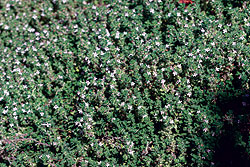
Gourmet Select Thyme SeedsOur Gourmet Select Thyme Seeds produce a thyme that is a popular seasoning for soups, fish, chicken and many other dishes. You can expect success from these carefuly selected Gourmet Select Thyme seeds. These vigorous, strong absolute winners have been chosen to meet your highest expectations. They have been tested nation-wide for great garden performance in all parts of our country. |
|
|
|
How to Grow Thyme From Seeds
Thyme is easily dried, refrigerated, frozen, or preserved in oil or vinegar. The tiny leaves air dry quickly. Add thyme to butter or mayonnaise to taste. Use thyme in dried beans, meat stews, and strong vegetables such as cabbage. Thyme is also great with any slowly cooked soup, stew, vegetable, meat, or sauce. Use lemon-flavored varieties in teas, on seafood, or in just about any dish calling for a lemony zing.SOW INDOORS then TRANSPLANT
- 21-28 days to germinate with temperature of 70�F.
- Do not cover seeds, or cover VERY lightly.
- Transplant when all danger of frost has passed.
- Space 6-8" apart.
Thyme does best in full sun. Start from transplants set out in spring after the last frost. Plant in well-drained soil with a pH of about 7.0; it prefers slightly alkaline conditions. Add lime to the pot or ground to raise the pH if needed. Also add a slow-release fertilizer to the soil at or before planting and again each spring. Thyme must have excellent drainage. Mulching with limestone gravel or builder�s sand improves drainage and prevents root rot.
Easy to grow, thyme needs little care except for a regular light pruning after the first year. Do this after the last spring frost, so that the plants do not get woody and brittle. Pinching the tips of the stems keeps plants bushy, but stop clipping about a month before the first frost of fall to make sure that new growth is not too tender going into the cool weather. Cut thyme back by one third in spring, always cutting above points where you can see new growth, never below into the leafless woody stem. Lemon thyme is more upright and more vigorous than the other thymes.
In the North and cold climates, cover with pine boughs after the soil freezes to help protect from winter damage. In Zone 10, thyme is usually an annual, often succumbing to heat and humidity in mid-summer.
Spider mites can be a problem in dry weather. Also watch out for root rot and fungus diseases in humid climates. Good drainage, good air circulation, and proper planting as described above will help prevent disease.
Harvest leaves as you need them, including through the winter in places where it is evergreen. Although the flavor is most concentrated just before plants bloom, thyme is so aromatic that the leaves have good flavor all the time. Strip the tiny leaves from woody stems before using.